
Health
‘Bravest person I know’: School shooting victim leaves hospital after 262 days
By Maya Chen
Advertisement · Why this ad?
Mark graduated from Cleveland State University with a degree in Business Journalism. He brings over eight years of experience from local business journals, where he specialized in small business development and economic growth in the region.
More from Mark →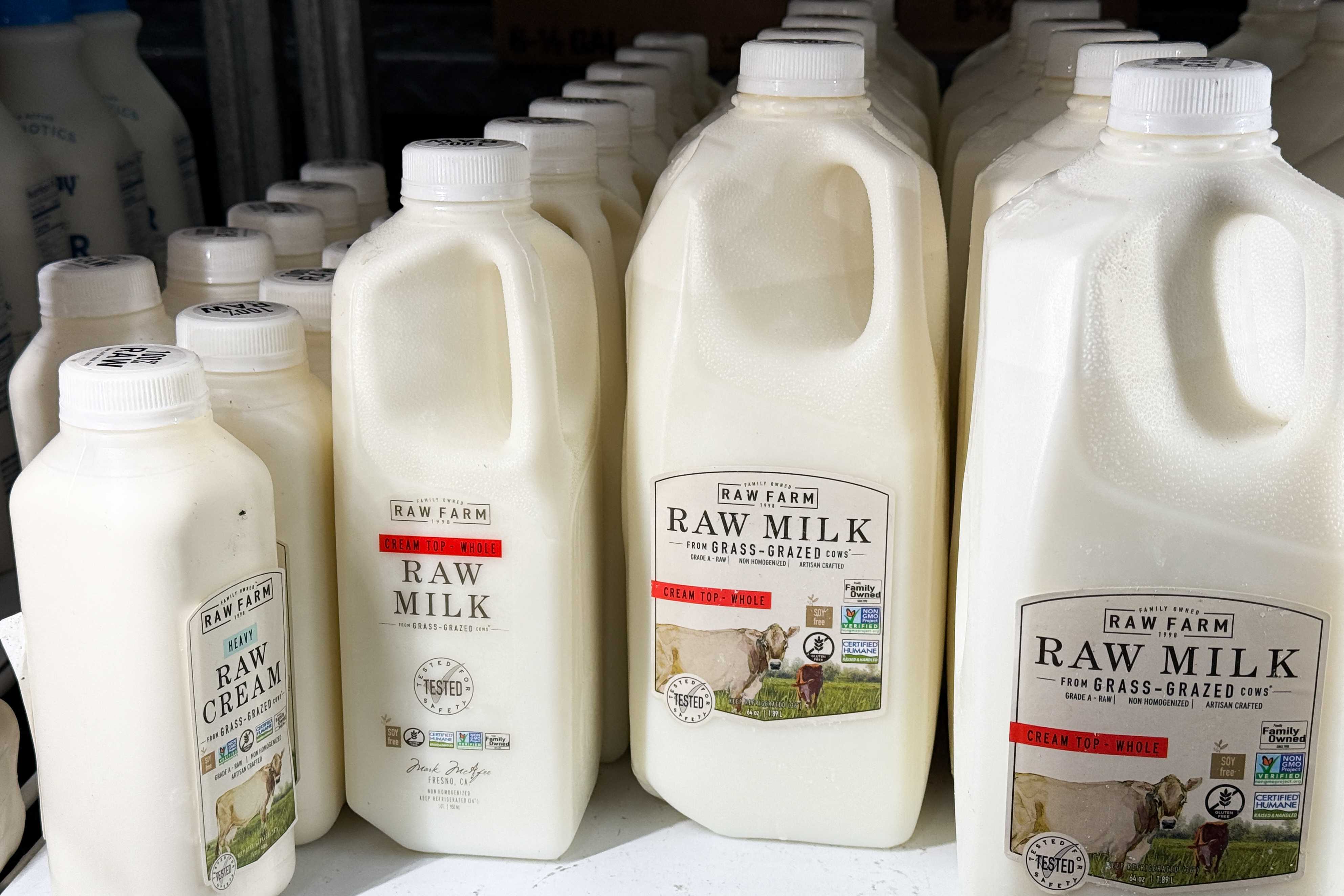
In a recent episode of a popular reality television show, contestant Jake Thompson made headlines by proclaiming his preference for raw milk, sparking conversations about the safety and health implications of consuming unpasteurized dairy. As the cameras rolled and viewers tuned in, Thompson's declaration opened a can of worms about the longstanding debate surrounding raw milk consumption.
Jake Thompson, a contestant on the hit reality show, shared his daily ritual of drinking raw milk during a confessional segment. His statement quickly drew attention, especially from health experts who have consistently warned against the risks associated with unpasteurized dairy products. Public health officials have long touted milk pasteurization as a vital public health measure that has significantly reduced the incidence of foodborne illnesses.
Thompson's comments came as a surprise to many viewers, particularly those who may not be aware of the potential dangers of raw milk. The Centers for Disease Control and Prevention (CDC) has reported that raw milk can harbor dangerous pathogens such as Salmonella, E. coli, and Listeria, which can lead to severe illness. In fact, the CDC states that unpasteurized milk is 150 times more likely to cause foodborne illness than pasteurized milk.
The allure of raw milk often lies in the belief that it is more nutritious than its pasteurized counterpart. Advocates argue that raw milk contains beneficial enzymes and probiotics that are destroyed during pasteurization. However, scientific research continues to highlight the risks associated with its consumption.
According to the CDC on raw milk risks, raw milk can be particularly dangerous for vulnerable populations, including young children, pregnant women, the elderly, and individuals with weakened immune systems. These groups are at a higher risk of developing severe complications from foodborne illnesses.
The reaction from the community has been mixed. While some viewers expressed support for Thompson's choice, many health professionals have voiced their concerns. Dr. Sarah Johnson, a local physician, stated, "It's important for the public to understand that the risks of drinking raw milk far outweigh any perceived benefits. We have seen too many cases of illness linked to its consumption."
Furthermore, local dairy farms have also weighed in on the debate. Many farms that produce raw milk emphasize the importance of strict hygiene and testing protocols. However, public health officials remain skeptical, stressing that no amount of care can eliminate the risk entirely.
In Cincinnati, the raw milk debate is not just a matter of health but also a cultural and economic issue. Local farmer Emily Collins, who runs a small dairy farm, expressed her frustration, saying, "We work hard to ensure our milk is safe, and we believe in the benefits of raw milk. But I also understand the concerns. We need more education rather than fear-mongering." Collins' farm has been selling raw milk for over five years, and she insists on rigorous testing and transparency with her customers.
On the other hand, parent and community activist Mark Stevens shared his apprehensions. "As a father, I worry about the messages our children receive from shows like this. They see someone drinking raw milk and think it's perfectly fine without understanding the risks involved. We need to advocate for safer choices for our families," he said.
In response to the ongoing discussions surrounding raw milk, public health officials are ramping up their efforts to educate the community about the dangers of unpasteurized dairy. Campaigns are being launched to inform residents about the benefits of pasteurization and the science behind it.
The Ohio Department of Health has been particularly proactive, releasing materials that outline the risks associated with raw milk consumption. Their campaign includes social media outreach, informational pamphlets, and community workshops aimed at raising awareness. The goal is to ensure that families make informed decisions about the dairy products they consume.
Local health departments are also collaborating with schools to integrate food safety education into their curriculums. By targeting young audiences, they hope to instill a sense of caution and awareness about food choices from an early age.
Raw milk sales are legal in some states, including Ohio, but they are heavily regulated. Farmers must adhere to strict guidelines, and raw milk must be sold directly to consumers at the farm. This regulation aims to mitigate some of the risks associated with raw milk while still allowing consumers the option to purchase it.
The Ohio Department of Agriculture oversees the regulation of raw milk sales, ensuring that producers comply with safety standards. However, the debate continues about whether these regulations are sufficient to protect public health. Critics argue that the current framework does not go far enough to address the inherent risks of raw milk.
Advocacy groups both for and against raw milk are becoming increasingly vocal. Organizations such as the Raw Milk Institute argue for more access to raw milk, emphasizing its purported health benefits and urging for clearer labeling and consumer education. Conversely, public health advocates are pushing for stricter regulations and more comprehensive safety testing to protect consumers.
The tension between these groups highlights a growing divide in public opinion about food safety and consumer choice. As the debate rages on, it is clear that more dialogue and research are needed to reach a consensus on this contentious issue.
As the conversation around raw milk continues, it is essential for consumers to stay informed. Public health officials are urging residents to consult with healthcare providers before making dietary choices, especially when it comes to products like raw milk.
For families considering raw milk, experts recommend weighing the potential risks carefully. The health implications can be significant, and it is crucial to prioritize safety when making food choices. With the rise of social media and reality television, messages about food safety can easily become muddled. It is vital to rely on scientific evidence and public health recommendations.
In the wake of Thompson's comments, the community is left to navigate the complexities of dietary choices. As public health campaigns continue to unfold, the hope is that residents will prioritize their health and make informed decisions about the food they consume.
As this issue evolves, ongoing discussions in community forums and social media platforms will likely shape the future of raw milk consumption in Cincinnati and beyond. Engaging with both sides of the debate will be crucial in finding a balanced approach that respects consumer choice while prioritizing public health.
By Maya Chen

By Evan Fields
By Evan Fields
By Laura Kim