
Community
Hamilton County early in-person voting doubles compared to 2022 midterm election
By Julia Thompson
Advertisement · Why this ad?
Julia is a Cincinnati native with a strong passion for local issues, having spent the last three years writing for Cincinnati Magazine. She studied Journalism at the University of Cincinnati and focuses on neighborhood stories that inspire community engagement and action.
More from Julia →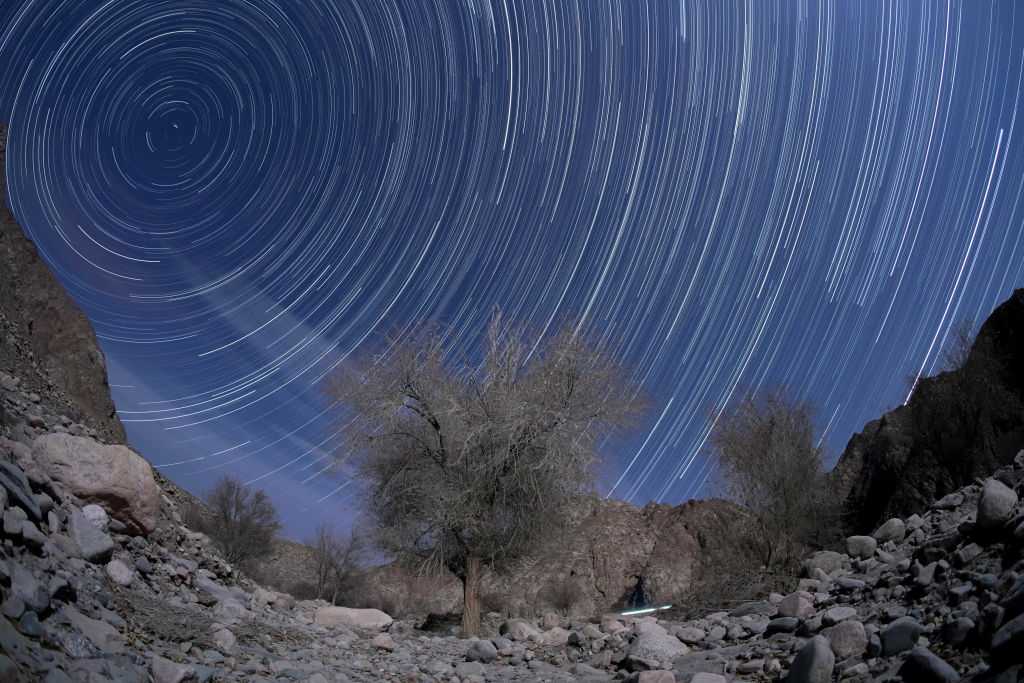
As the crisp November air settles in over Cincinnati, the sky will come alive with a celestial display that promises to captivate stargazers of all ages. Imagine gathering with family and friends, bundled up in warm blankets, hot cocoa in hand, as you gaze up at the night sky. The excitement builds as shooting stars streak across the heavens, inviting wishes and sparking conversations about the mysteries of the universe. This November, residents can look forward to a spectacular showcase of astronomical events, including the Taurids and Leonids meteor showers, along with the enchanting Beaver Supermoon.
November 2026 is set to be a month of wonder for astronomy enthusiasts and casual observers alike. The celestial calendar is packed with three significant meteor showers: the Taurids, the Leonids, and the Beaver Supermoon. Each event offers a unique opportunity to connect with the cosmos, making it an ideal time for families to step outside and explore the night sky together.
The Taurid meteor shower, known for its slow-moving meteors, will peak around November 5th and 6th. This shower is particularly special because it is known for producing bright fireballs that can illuminate the night sky. Following closely is the Leonids meteor shower, which will peak on November 17th and 18th. The Leonids are famous for their fast and colorful meteors, making them a favorite among stargazers. Finally, on November 27th, the Beaver Supermoon will grace the skies, appearing larger and brighter than usual, providing a stunning backdrop for evening walks and family gatherings.
The Taurids meteor shower originates from the debris left behind by Comet Encke. It is known for its rich history, with records of sightings dating back to ancient civilizations. The meteors tend to be less frequent but are often larger and more brilliant than those from other showers. This makes them a perfect event for families looking to create lasting memories while sharing the magic of the night sky.
On the other hand, the Leonids meteor shower is associated with Comet Tempel-Tuttle. This shower is known for its impressive displays, especially during years when it peaks. The Leonids can produce up to 15 meteors per hour at their peak, and in some years, they have been known to create spectacular storms of meteors that can leave onlookers in awe. Watching the Leonids is not just about the spectacle; it’s an opportunity to discuss the science of comets and meteoroids with children and foster a sense of wonder about the universe.
As if the meteor showers weren’t enough to inspire awe, the Beaver Supermoon will add a touch of magic to the November sky. This full moon, named after the time of year when beavers are typically active, will appear 14% larger and 30% brighter than a regular full moon. This phenomenon occurs when the moon is at its closest point to Earth in its orbit, creating a breathtaking sight that is perfect for family outings.
Families can take advantage of this stunning display by planning a moonlit hike at one of Cincinnati's beautiful parks, such as Cincinnati Parks. The Beaver Supermoon provides a wonderful chance to discuss the importance of nature and conservation with younger generations while enjoying the beauty of the outdoors. Whether it’s a picnic under the moonlight or a simple stroll, these moments can strengthen family bonds and create cherished memories.
Local schools and community organizations are gearing up to celebrate these astronomical events with educational programs and stargazing events. The Cincinnati Museum Center and the Cincinnati Zoo are expected to host special events where families can learn about the science behind meteors and moons. These events aim to inspire curiosity and foster a love for science and nature in children and adults alike.
Moreover, local astronomy clubs, such as the Cincinnati Astronomical Society, will likely organize stargazing nights where community members can gather to observe the meteor showers and the Beaver Supermoon through telescopes. These gatherings not only provide a chance to witness the beauty of the universe but also create a sense of community and shared experience among residents.
Local astronomers and educators are excited to participate in these events. Dr. Emily Carter, an astrophysicist at the University of Cincinnati, emphasizes the importance of such events in fostering scientific literacy. "Stargazing is not just about watching; it’s about understanding our place in the universe," she says. Dr. Carter plans to lead workshops at the Cincinnati Museum Center, where families can engage in hands-on activities that explain the science of meteor showers and lunar phases.
Additionally, the Cincinnati Observatory will host special viewing sessions, allowing attendees to observe the moon and meteors through powerful telescopes. The observatory’s director, Mr. John Smith, highlights the role of community engagement in astronomy. "We want to make the night sky accessible to everyone, regardless of their background or experience level," he notes. This inclusive approach is vital in a city as diverse as Cincinnati, where bringing together people from different walks of life can enhance the communal experience of stargazing.
For those eager to witness these celestial wonders, planning is key. Finding a dark spot away from city lights is crucial for optimal viewing. Cincinnati offers several locations, such as Cincinnati Parks and Cincinnati Parks, which provide excellent vantage points for stargazing. Bringing along blankets, snacks, and perhaps a telescope can enhance the experience, making it a delightful family outing.
As November approaches, families are encouraged to mark their calendars for these exciting events. The Taurids meteor shower on November 5th and 6th, the Leonids on November 17th and 18th, and the Beaver Supermoon on November 27th offer unique opportunities for connection and discovery. These moments spent under the stars can serve as a reminder of the beauty that exists in the world and the importance of spending quality time with loved ones.
In a world that often feels rushed and chaotic, November 2026 provides a beautiful reminder of the wonders of nature and the joy of family togetherness. As we prepare to witness the Taurids, Leonids, and the Beaver Supermoon, let’s take a moment to appreciate the simple pleasures of life—the warmth of family, the beauty of the night sky, and the stories that connect us all.
Whether you’re an avid astronomer or simply someone who enjoys the beauty of the night, these celestial events are an invitation to step outside, breathe in the fresh air, and marvel at the universe. Cincinnati is fortunate to have such a vibrant community that embraces both the science of astronomy and the art of storytelling. Let’s gather together this November to create memories that will last a lifetime, under a sky filled with stars.
By Julia Thompson

By Julia Thompson

By Julia Thompson

By Julia Thompson